Sep 9, 2026Industry Insights
Chemical Export from China: Packaging, Documentation and Compliance Basics
UN packaging, export documentation and hazardous chemical compliance basics every international chemical buyer should understand.
Chemical imports usually fail on paperwork, not on chemistry. A drum of solvent can be perfectly to specification and still wait in a destination port while the consignee watches costs climb, because a packaging mark does not match the declaration or a required document is missing. International chemical buyers, and especially teams new to sourcing from China, reduce that risk by understanding UN packaging, the export file and how to qualify a supplier before committing volume.
Why chemical export is different
Many industrial solvents and chemical intermediates are classified as dangerous goods for transport, which layers packaging, labeling and documentation requirements on top of normal export procedures. The risk is concrete: a non-compliant shipment can be delayed, fined or rejected at the destination port, and those outcomes usually surface after the cargo has left the supplier, when corrections are slow and expensive. Understanding the requirements in advance lets a buyer spot problems in a quotation rather than at a port.
Classification is the first fork in the road. A product may be regulated as dangerous goods for maritime transport while the same substance travels freely by another mode, or it may carry special provisions depending on concentration. The UN number and packing group are not decorative details on the SDS: they drive which packaging, which labels and which declarations apply. Start any sourcing conversation by confirming the classification with the supplier.
UN packaging and labeling
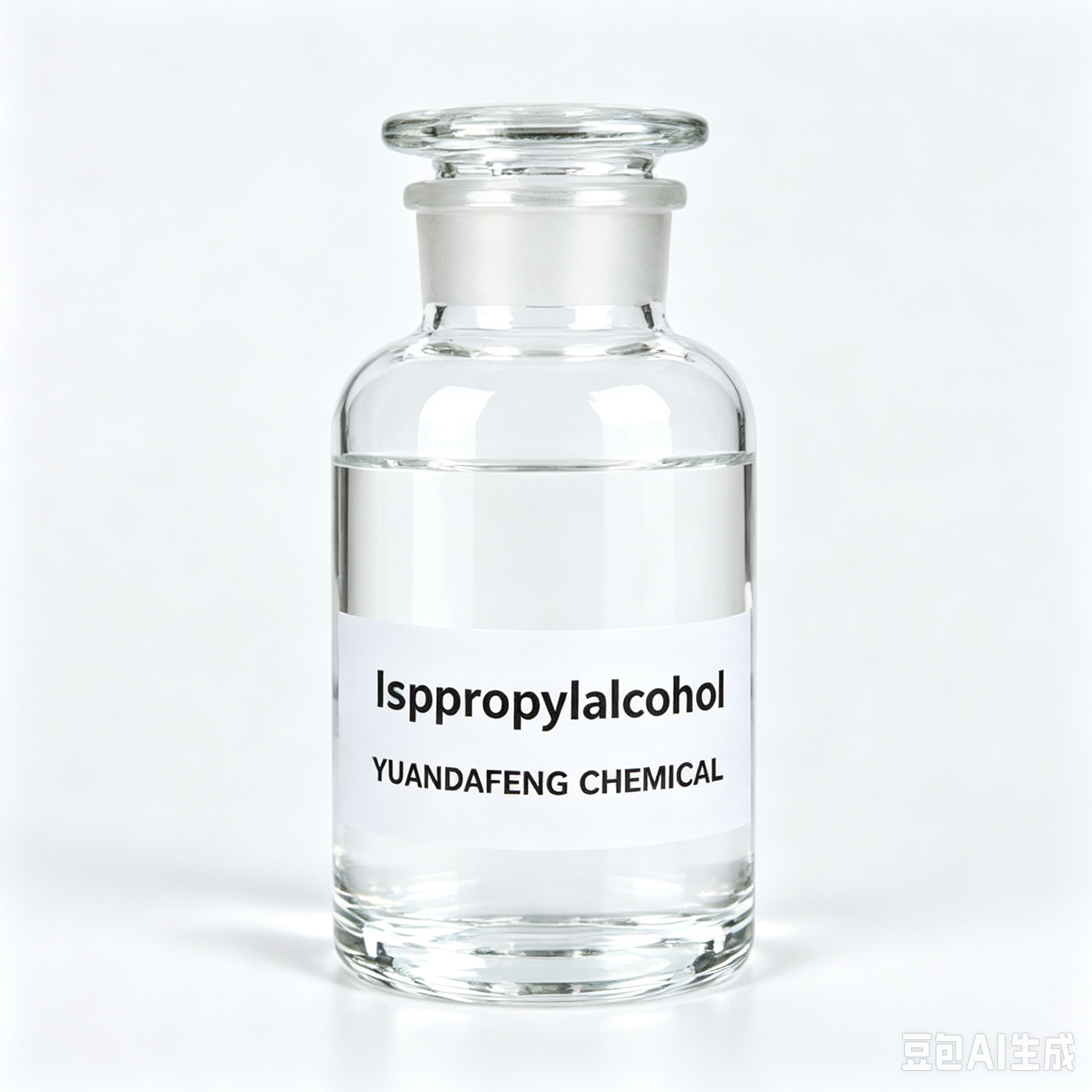
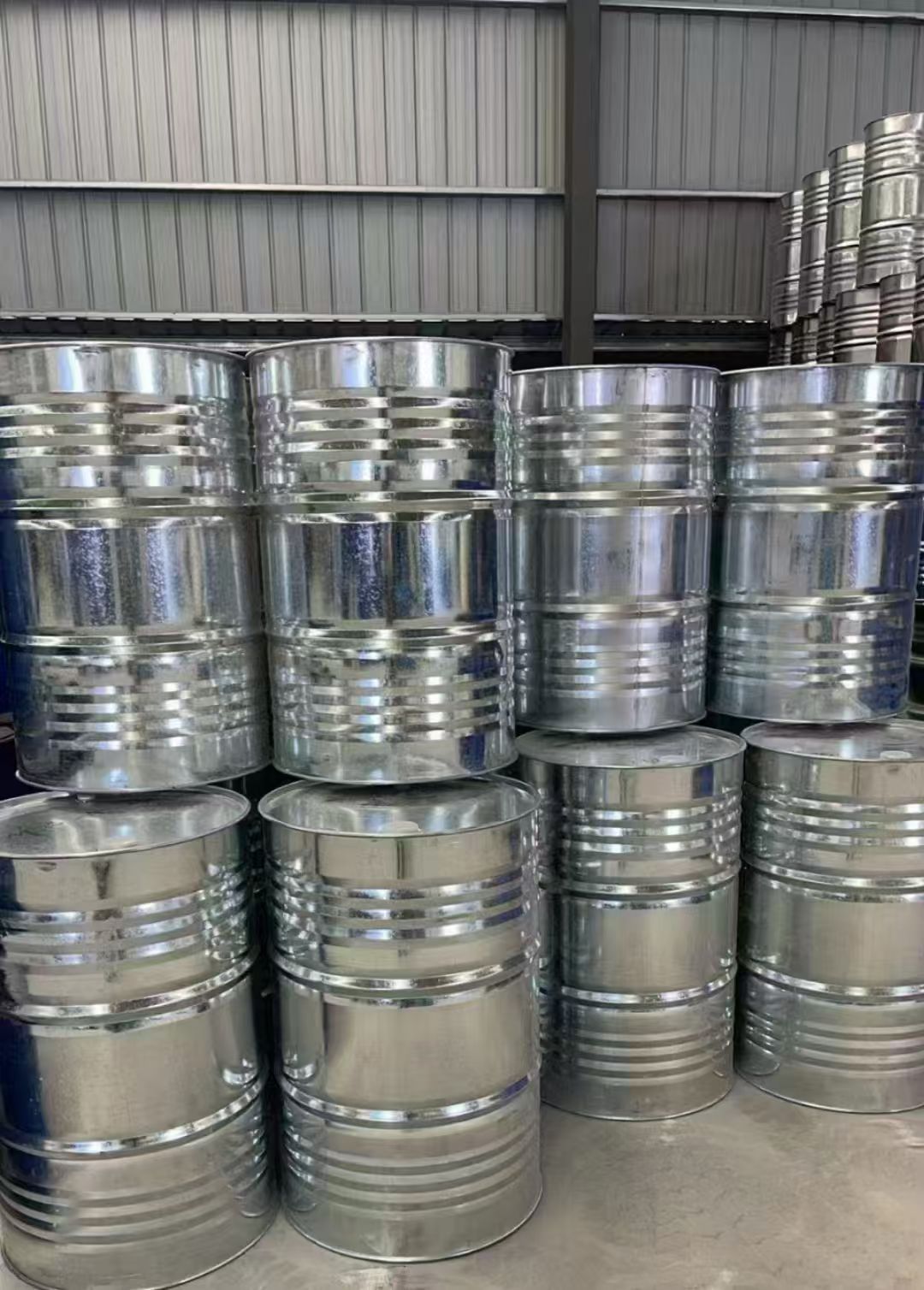
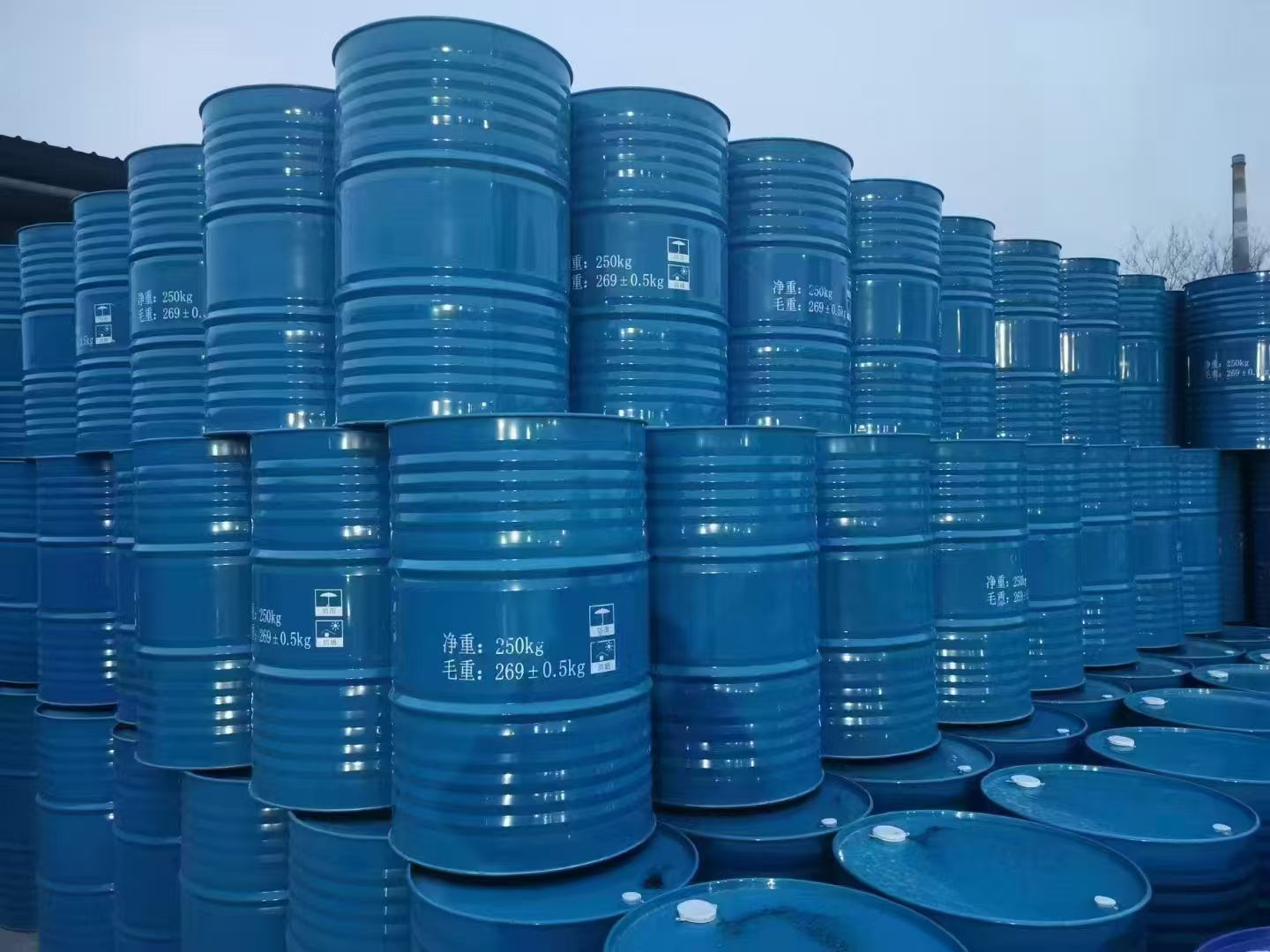
Hazardous chemicals travel in UN-standard packaging that is tested and marked for the product and its hazard class. Examples from the solvent trade show the range: tetrahydrofuran ships as UN 2056, acetonitrile as UN 1648 and isopropyl alcohol as UN 1219, all flammable liquids with their own packaging and labeling obligations. The packaging also has to fit practical constraints, including net weight per drum, stacking strength, shipping route and destination-country inspection expectations. A mature export supplier selects packaging for the combination, not from a single default option.
Documentation essentials
A compliant export file normally includes the commercial invoice, packing list, bill of lading, certificate of analysis (COA), safety data sheet (SDS) and, for dangerous goods, the transport declaration. These documents have to be consistent with each other: the classification on the SDS should match the marks on the drums and the declaration filed with the carrier. When a supplier prepares them routinely, with the same care on the first trial order and the twentieth container, the buyer avoids most clearance surprises.
Send the document set to your customs broker or freight forwarder early rather than at arrival. Holds are usually resolved faster when the same documents the supplier shipped with are already in your logistics team's hands before the vessel arrives. A supplier that can issue the full file before the cargo sails gives you room to check it on your schedule.
Choosing a supply partner
Qualify the company behind the quotation. A hazardous chemical supplier should hold a full-category hazardous chemical business license that covers your product, and should be able to show export experience with FCL and LCL shipments. On quality, look for a documented process rather than an assurance. At Shandong Yuandafeng Chemical, every export passes incoming sampling, retained-sample rechecking and pre-shipment inspection, and cargo leaves in UN-standard packaging with compliant documentation.
Then test the stages that are hardest to fix later: booking, shipment status and delivery follow-up. A supplier who keeps you informed on documents, container movement and arrival windows makes the whole import easier to plan. Most shipping problems that surprise a buyer are planning problems in disguise.
Set the compliance scope before you negotiate. Confirm who is responsible for the classification, whether your destination requires a certificate of origin or an import permit, and how the supplier handles regulatory changes that affect your product during the contract period. These points belong in the agreement, because a change in classification mid-contract is exactly when buyers discover the value of a supplier compliance team.
Talk to our team
Send your product list with specifications, estimated quantities, packaging preference and destination port to annie@ydfchem.com, or message us on WhatsApp at +86 156 8428 8875. We will assess the compliance requirements for each product and outline a supply plan with documentation included. Tell us your expected shipment frequency so the plan fits how you actually buy, not just what you need today.