Buying Guides
MTBE Bulk Purchasing Guide: Specs, COA & Supplier Checks
A bulk MTBE purchasing guide for importers, distributors and fuel buyers: grade selection, ASTM D5983 test items, COA review points, packaging and shipping requirements from China.
A quotation for MTBE may look straightforward: product name, purity, quantity and price per metric ton.
But these four details are not enough to determine whether two offers are actually comparable.
A buyer sourcing MTBE for gasoline blending may need to check methanol content, sulfur, water, vapor pressure and other fuel-related parameters. A buyer using MTBE as an extraction solvent may have a different specification and impurity-control requirement.
This is where purchasing mistakes often begin: the buyer and supplier are discussing the same chemical, but not necessarily the same product specification.
This guide explains what to confirm before placing a bulk MTBE order, how to review a Certificate of Analysis (COA), and what to consider when arranging shipments from China.
1. Start with the Intended Application, Not Just Purity
Methyl tert-butyl ether (MTBE), also known as methyl tertiary-butyl ether, is an organic ether with the following identification:
Chemical name: Methyl tert-Butyl Ether
Common abbreviation: MTBE
CAS No.: 1634-04-4
Molecular formula: C5H12O
Molecular weight: 88.15 g/mol
Appearance: Colorless liquid
MTBE is widely known for its use as a gasoline oxygenate and octane-enhancing blending component. Published references list a research octane number (RON) of about 118 and a motor octane number (MON) of about 101, with an oxygen content of approximately 18.2% by weight - these are the numbers that make it valuable to refiners and fuel blenders. MTBE is also used in certain industrial solvent and extraction applications.
However, different applications do not automatically require the same grade.
For example, fuel blending requires attention to fuel-related properties and the applicable gasoline specification. A buyer using MTBE for an industrial process should instead establish the required purity and impurity limits according to that process.
A purity figure alone does not define the complete product specification.
Before requesting a quotation, clarify:
Is the product intended for gasoline blending or industrial use?
What MTBE content is required?
Are there maximum limits for methanol and water?
Are there specific limits for sulfur or other impurities?
Does the buyer have an existing technical specification or approved COA?
These questions help prevent suppliers from quoting different grades under the same product name.
2. Which MTBE Specifications Should Buyers Check?
The primary reference standard for fuel-grade MTBE is ASTM D5983 (currently ASTM D5983-21).
The standard covers fuel-grade MTBE used for blending with gasoline at 1%-15% by volume for automotive spark-ignition engine fuel covered by ASTM D4814.
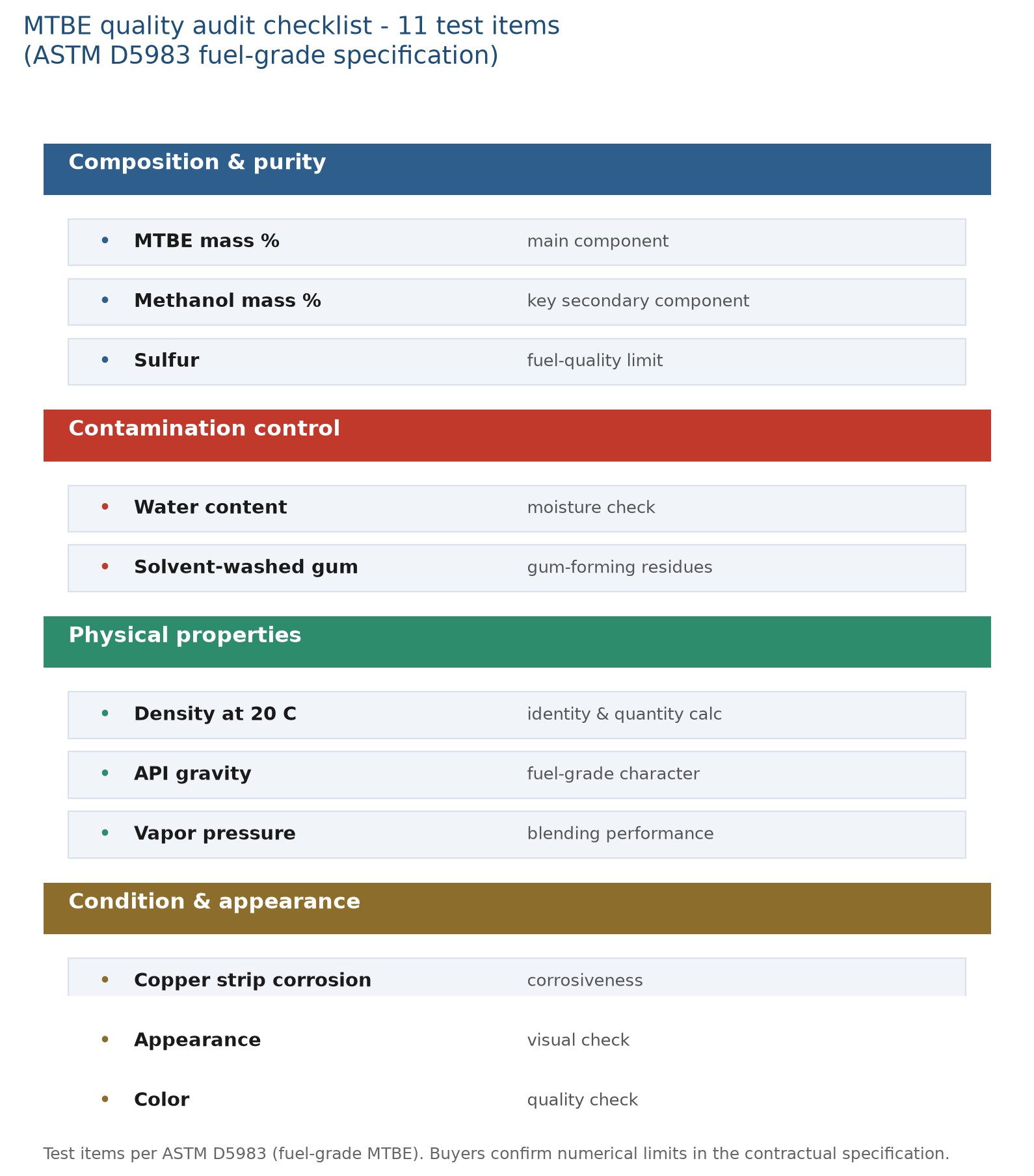
It identifies 11 quality-related test items.
These include:
MTBE mass percentage - confirms the main component content
Methanol mass percentage - checks an important secondary component
Sulfur - relevant to fuel-quality requirements
Water content - helps assess moisture contamination
Density - supports product identification and quantity calculations
API gravity - relevant to fuel-grade characterization
Vapor pressure - important for gasoline blending performance
Copper strip corrosion - assesses corrosive characteristics
Solvent-washed gum - checks potential gum-forming residues
Appearance - identifies visible abnormalities
Color - provides an additional quality check
Important: ASTM D5983 is a fuel-grade specification. It should not be presented as a universal specification for every industrial MTBE application.
The public ASTM description identifies the test items and scope, but the full standard contains the applicable requirements and test procedures. Buyers should consult the actual standard and their contractual specification for numerical acceptance limits.
For industrial applications outside its scope, agree on the required parameters directly with the supplier.
Quick reference: typical ranges by grade
MTBE purity - Fuel grade (ASTM D5983): 98.0-98.5% min (GC) / Industrial grade: 99.3-99.5% (GC)
Methanol - Fuel grade: 0.3-0.5% wt max / Industrial grade: 0.1% wt max
Water content - Fuel grade: 1000 ppm (0.10%) max / Industrial grade: 300-500 ppm max
Sulfur content - Fuel grade: 10-15 ppm max / Industrial grade: 2 ppm max
Peroxides (as H2O2) - Fuel grade: not listed / Solvent grades: 5 ppm max (verify per specification)
Indicative typical ranges compiled from published specifications and industry practice - not acceptance limits. Confirm the actual values against the standard and the contractual specification.
3. Understanding the Physical Properties of MTBE
Physical properties are useful when evaluating product identity, storage arrangements and process requirements.
The following reference values are published in the U.S. Agency for Toxic Substances and Disease Registry (ATSDR) toxicological profile, September 2023.
Molecular weight: 88.15 g/mol
Boiling point: 55.2 C
Density at 20 C: 0.7405 g/cm3
Melting point: -109 C
Water solubility at 20 C: 4-5%
Why does density matter in bulk purchasing?
Density is particularly relevant when buyers compare mass-based and volume-based quantities.
MTBE has a published density of approximately 0.7405 g/cm3 at 20 C.
For illustration: 1,000 liters x 0.7405 kg/L = approximately 740.5 kg.
Note: In bulk shipments, always use the hydrometer reading at the specified contractual temperature (e.g., 20 C or 15 C) to calculate billing tonnage - density results measured at different temperatures are not directly comparable.
4. How to Read an MTBE COA Before Ordering
A Certificate of Analysis is one of the most useful documents in chemical procurement.
However, simply receiving a COA does not mean the product has been fully verified.
When reviewing an MTBE COA, pay attention to the following details.
1. Product identificationCheck that the document identifies methyl tert-butyl ether and CAS 1634-04-4.
2. Actual MTBE contentCheck the reported content, its unit and the analytical method. Do not assume that a result expressed as mass percentage is automatically equivalent to a chromatographic area percentage.
3. Methanol contentMethanol is specifically included in the ASTM D5983 fuel-grade test list. Confirm the agreed maximum limit for the intended application.
4. Water contentCheck the reported result and unit. Where moisture is critical, confirm the test method and the buyer's acceptance limit.
5. Density and test temperatureA density value without a reference temperature is incomplete for meaningful comparison.
6. Batch and testing informationA useful COA should identify the batch or lot, testing date, test results and relevant test methods.
7. Peroxides and non-volatile residue (solvent and extraction grades)MTBE is an ether: over time, exposure to oxygen can form organic peroxides. For solvent, pharmaceutical-synthesis and extraction applications, buyers should verify the peroxide content (often controlled below 5-10 ppm) and non-volatile residue against the agreed specification.
Most importantly, compare the actual results against the agreed purchase specification, not simply against a supplier's general product description.
A sample COA from an earlier batch is useful for preliminary supplier evaluation, but it does not replace the COA for the actual shipment.
5. Sampling and Third-Party Inspection
A practical approach is to agree on the following:
The technical specification and acceptance limits.
The sampling location and sampling procedure.
Whether a pre-shipment sample is required.
Whether an independent inspection company is involved.
Which test methods will be used.
How discrepancies between the supplier's COA and the inspection results will be handled.
SGS and BV inspection can be arranged when required by the buyer and agreed by both parties.
One point is particularly important: an inspection company should not be asked to determine the product's acceptance criteria after the goods have already been purchased.
The criteria should be agreed in the contract or purchase confirmation.
6. MTBE Packaging and International Shipping
Packaging is not simply a matter of choosing the lowest-cost option.
MTBE is a highly flammable liquid. Its transport classification, packaging and handling arrangements must be confirmed before shipment. For an overview of how dangerous-goods shipments are organized, see our DG transport and packaging guide.
A Merck MTBE Safety Data Sheet, revised December 31, 2025, identifies the following transport classification for the product covered by that SDS:
UN Number: UN 2398
Proper shipping name: Methyl tert-Butyl Ether
Transport hazard class: 3
Packing Group: II
The SDS also notes that transport classifications can vary depending on transport mode, packaging configuration and applicable regulations.
Therefore, buyers should always check the current SDS for the actual product being shipped rather than copying transport information from another supplier's document.
Common packaging options
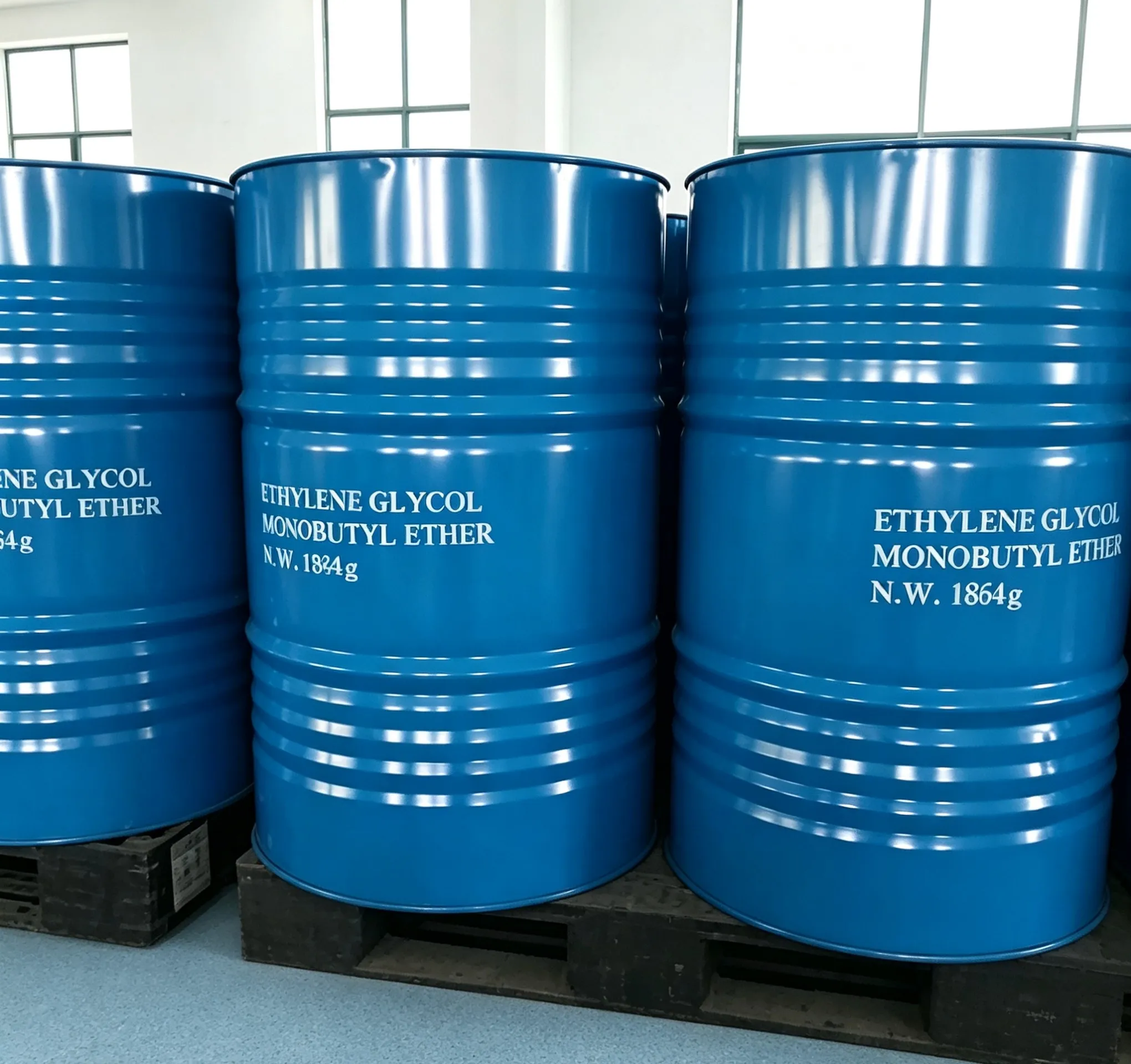
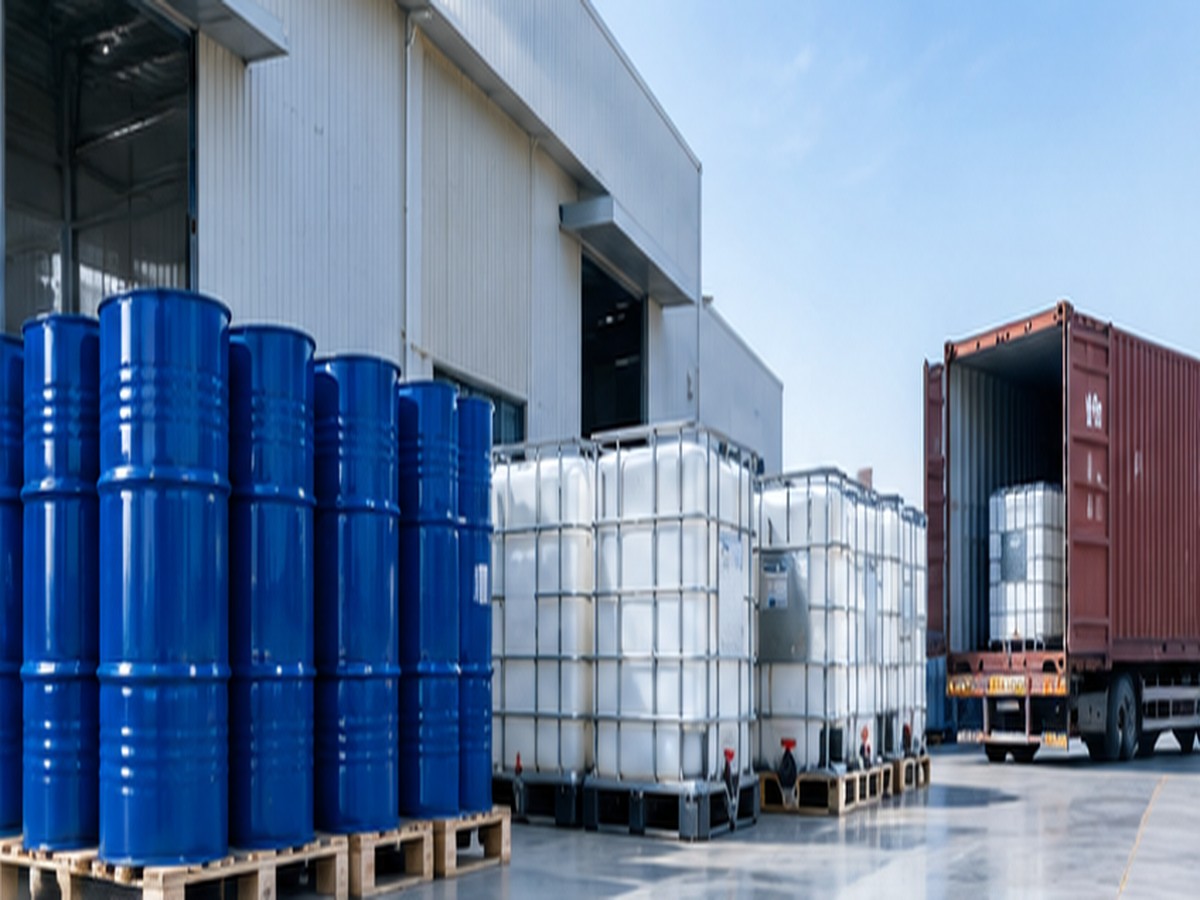
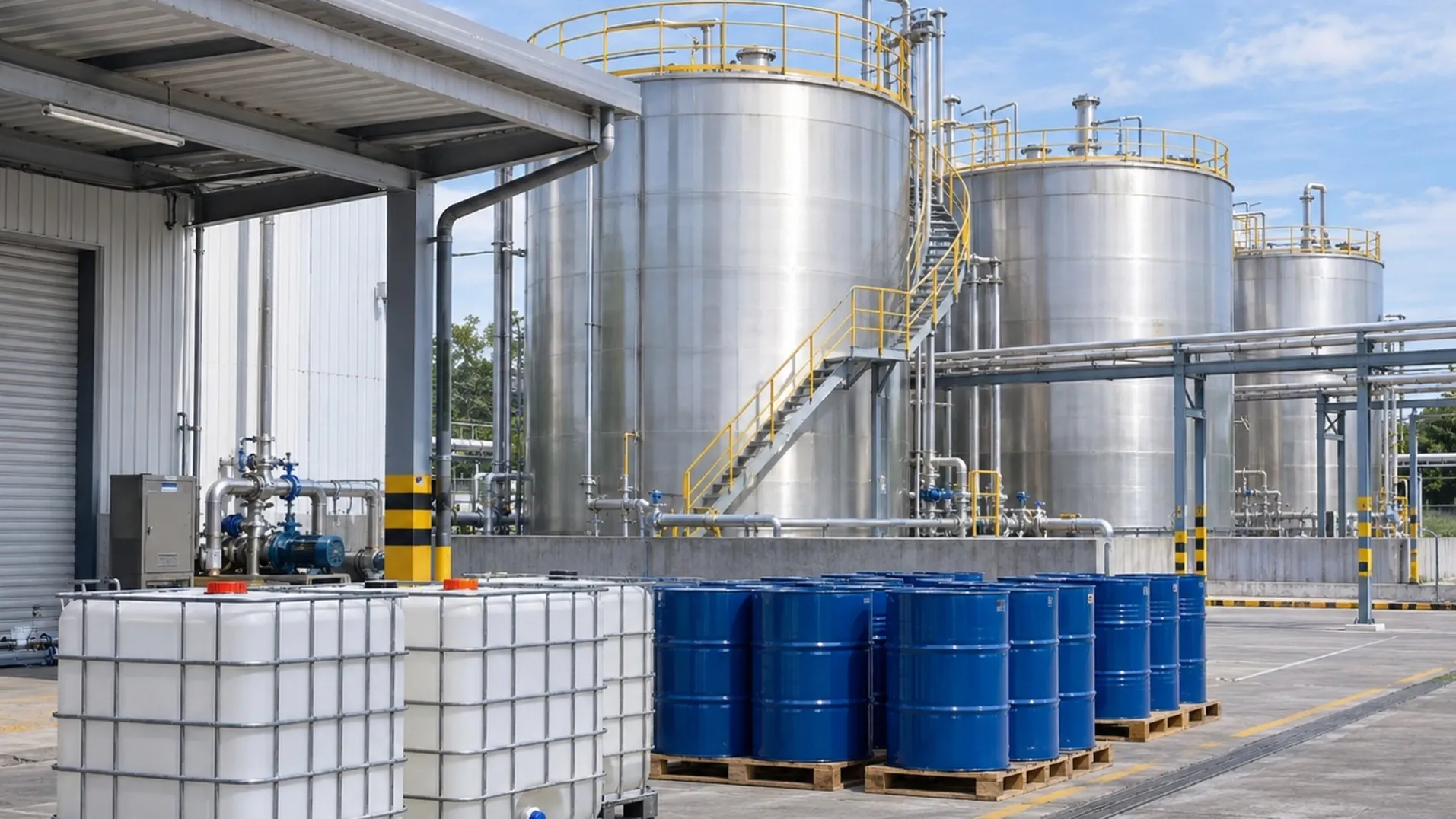
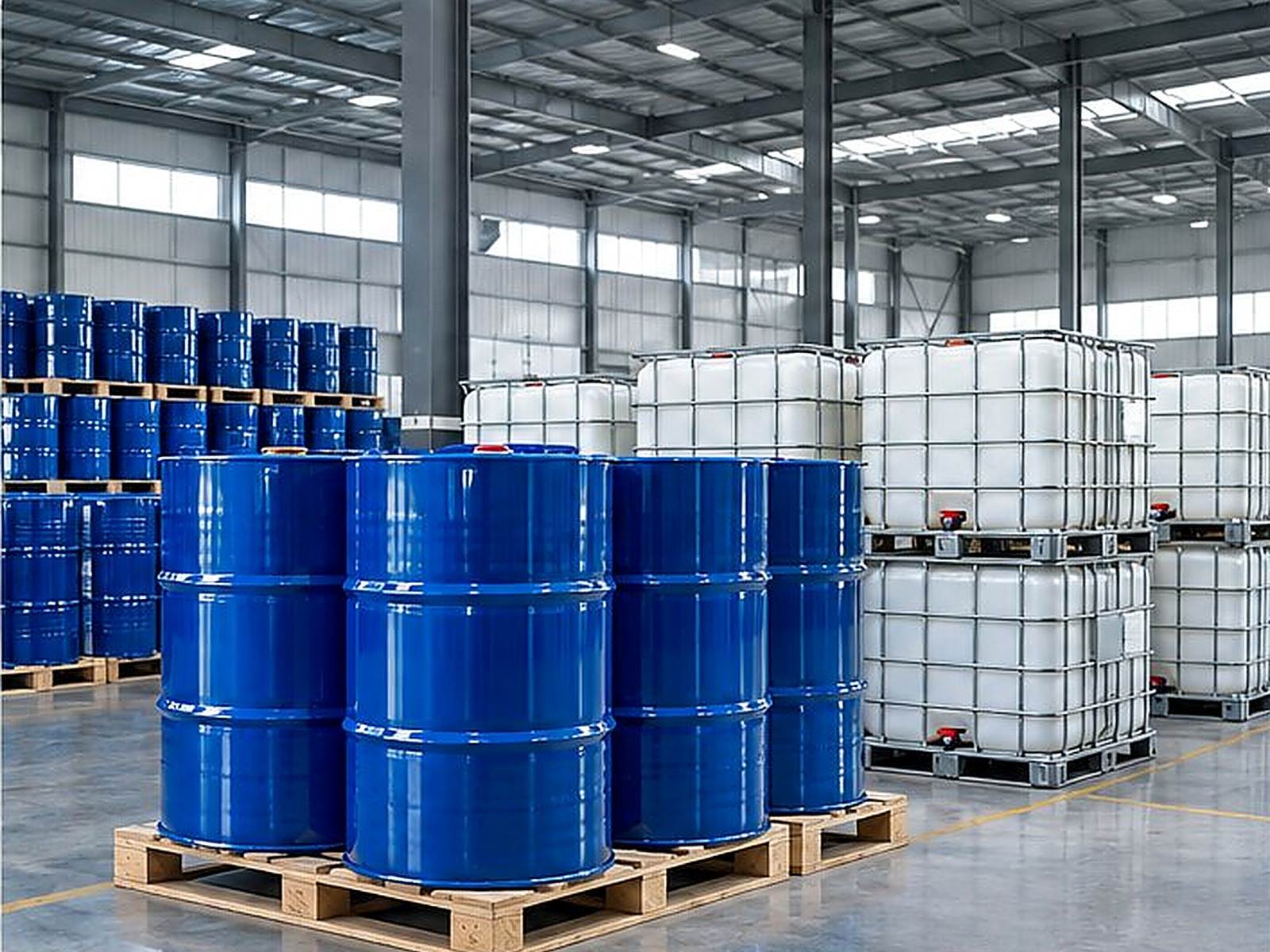
For MTBE sourcing, packaging arrangements may include steel drums, IBC totes and ISO tanks.
YDF Chemical currently lists these options for its MTBE product.
The appropriate option depends on order quantity, destination, carrier acceptance, packaging approval and the buyer's unloading facilities. The choice also follows the application: fuel-grade MTBE for blending typically moves in ISO tanks or dedicated chartered vessels, while drum and IBC shipments mostly serve industrial-solvent buyers.
A safety note on flexitanks: due to its low flash point (around -28 C) and Class 3 flammable-liquid classification, MTBE is strictly prohibited from being transported in standard non-DG flexitanks.
Before confirming the order, ask the supplier to specify:
Net weight per package.
Number of packages.
Total net weight.
Packaging type and applicable UN approval.
Loading arrangement.
Shipping route and dangerous goods documentation.
Storage and handling
According to the Merck SDS, MTBE is classified as a highly flammable liquid and vapor.
Its vapors are heavier than air and may spread along floors.
Handling arrangements should therefore include appropriate ventilation, ignition-source control, closed containers and grounding and bonding of transfer equipment where required.
Storage and transport operations must follow the applicable SDS, site procedures and local regulations.
7. How to Compare MTBE Suppliers from China
When evaluating different suppliers, the lowest price per metric ton is not necessarily the lowest-cost option.
A useful comparison should include:
Product grade - suitable for the intended application
Purity - meets the agreed specification
COA - batch results and test methods available
Methanol and water - limits clearly specified
Packaging - suitable for the route and destination
Documentation - required SDS and export documents provided
Inspection - independent inspection can be arranged if needed
Logistics - freight, DG surcharges and destination charges clear
Delivery - proposed shipment schedule realistic
Communication - supplier coordinates sourcing, documentation and shipment
For international buyers, it is also worth checking whether a supplier can coordinate multiple chemical products in one purchasing arrangement.
This can simplify communication, documentation and shipment planning, particularly for distributors and importers sourcing several industrial chemicals from China.
8. MTBE Purchasing Checklist: Information to Confirm Before Ordering
Before sending a purchase order, make sure the following information has been agreed.
1. Product name and CAS number
2. Intended application
3. Required MTBE purity
4. Methanol and water limits
5. Other required quality parameters
6. COA and test method requirements
7. Packaging type and net weight
8. Order quantity and delivery schedule
9. Incoterm and destination port
10. Payment terms and inspection requirements
A practical MTBE RFQ template
Buyers can use the following format when requesting quotations:
Product: MTBE (CAS 1634-04-4)
Required purity: 99.3% / 99.5% / Other
Application: Gasoline blending / Industrial use / Other
Quantity: ____ MT
Packaging: Drums / IBC Totes / ISO Tank
Trade term: FOB / CFR / CIF
Destination port: ______
Required documents: COA / SDS / TDS / Other
Additional specifications: ______
This information allows suppliers to evaluate the actual requirement instead of quoting based on the product name alone.
9. Frequently Asked Questions About MTBE Purchasing
Is MTBE 99.5% automatically suitable for gasoline blending?
No. Purity alone does not establish compliance with a fuel-grade specification. Buyers must check the applicable requirements, including methanol, sulfur, water, vapor pressure and other relevant parameters.
What is the difference between industrial MTBE and fuel-grade MTBE?
The difference is determined by the intended application and agreed specification. ASTM D5983 covers fuel-grade MTBE for specified gasoline-blending applications. Other grades may be available outside its scope.
What is the CAS number of MTBE?
The CAS number is 1634-04-4.
What documents should I request from an MTBE supplier?
At minimum, request a product-specific SDS, TDS and a COA relevant to the supplied batch. Additional inspection and origin documents should be agreed according to the transaction.
Can MTBE be shipped in drums, IBC totes or ISO tanks?
These are listed commercial packaging options, but the final arrangement must be checked against the applicable dangerous goods regulations, packaging approvals, carrier acceptance and destination requirements.
Should I request a sample before placing a bulk order?
For a first transaction, a sample can help evaluate product suitability. Agree on the sample specification and testing method before comparing the results with the proposed commercial batch.
10. Sourcing MTBE from China
Our published product range includes MTBE 99.3% and 99.5% (CAS 1634-04-4), with packaging options including steel drums, IBC totes and ISO tanks, subject to order and shipment confirmation.
We support sourcing coordination, product documentation, packaging arrangements and international export logistics from China.
If you are looking for an MTBE supplier, please send us your required grade, quantity, packaging and destination port.
Our team will review the specification and sourcing requirements before preparing a quotation.
Contact Yuandafeng Chemical for MTBE supply inquiries.
Related Reading
References
Technical note: Physical-property values in this guide are published reference data used for screening and identification - batch acceptance is always governed by the contractual specification and the COA of the supplied batch. Transport classifications must be confirmed against the current SDS and applicable regulations for each destination.