Ethylene Glycol Buyer's Guide: What to Check Before Ordering from China
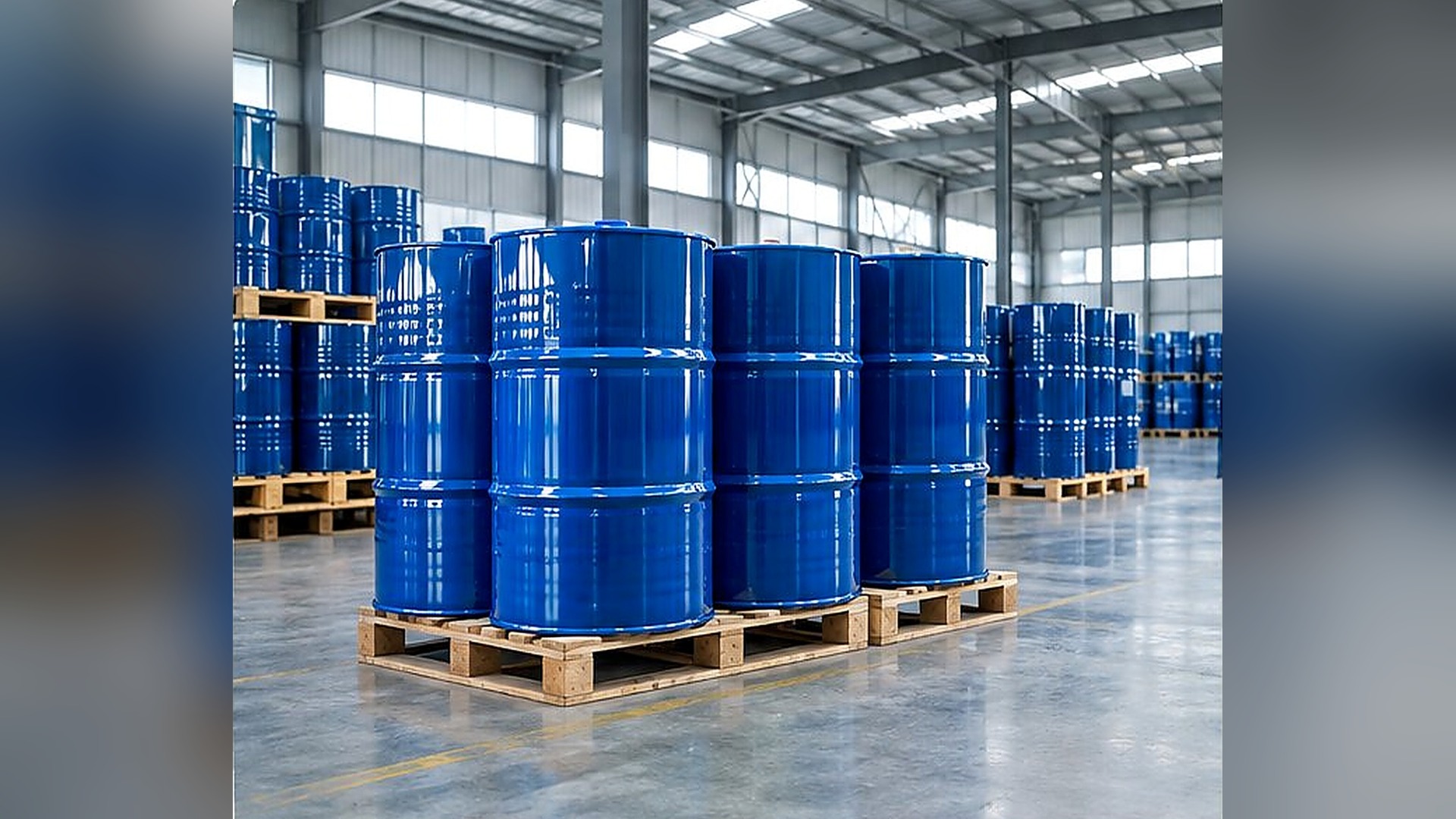
Ordering ethylene glycol from China is straightforward if you check five things before you pay: the grade your process actually needs, the full certificate of analysis, the transport classification, the packaging and Incoterms, and the supplier behind the quote. Yuandafeng's EG is industrial grade 99.8% (CAS 107-21-1), shipped as UN 3082, Class 9, in 230 kg drums, IBC totes and ISO tanks, with a per-batch COA, SDS and TDS.
Polyester and PET buyers need a different grade (≥99.9% with UV transmittance limits) — confirm that in the RFQ, not after the goods arrive. This guide walks through each check so a first order arrives as specified, with the documents to prove it.
Key Findings
- Start from the application, not the price. PET and polyester need ≥99.9% polyester grade; antifreeze, coolant, resins and general industrial use take industrial grade 99.8%. Ordering the wrong grade is the most expensive mistake in EG buying.
- Read the whole COA. Assay, water, DEG, iron, chloride, acidity, aldehydes, colour and UV transmittance — a COA that lists only the assay is not a COA.
- EG is Class 9, not Class 3. It ships as UN 3082 (environmentally hazardous substance, liquid, n.o.s.), with a flash point of 111 °C — the dangerous-goods paperwork, packaging and labelling differ from flammable solvents, so confirm them in advance.
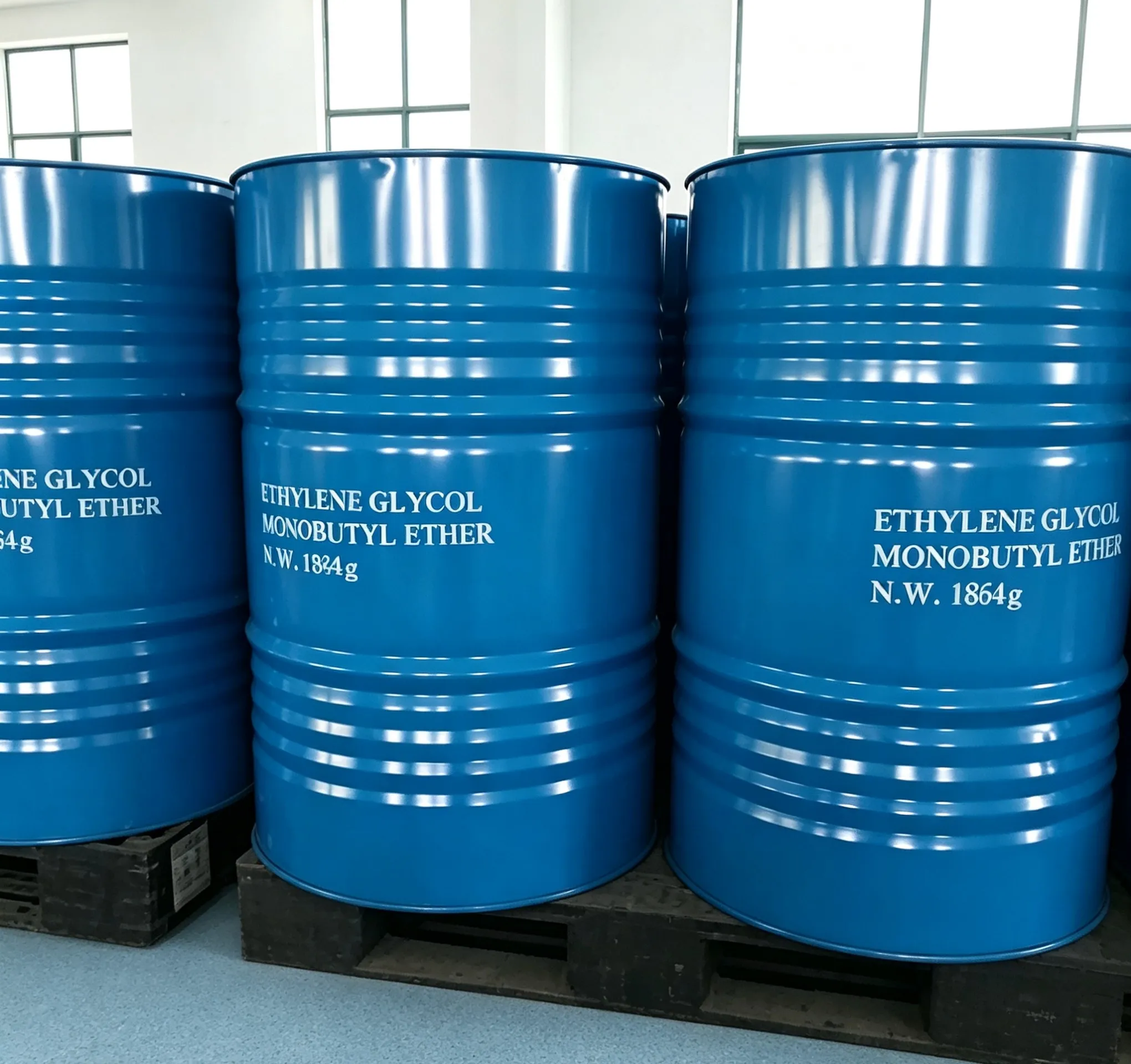
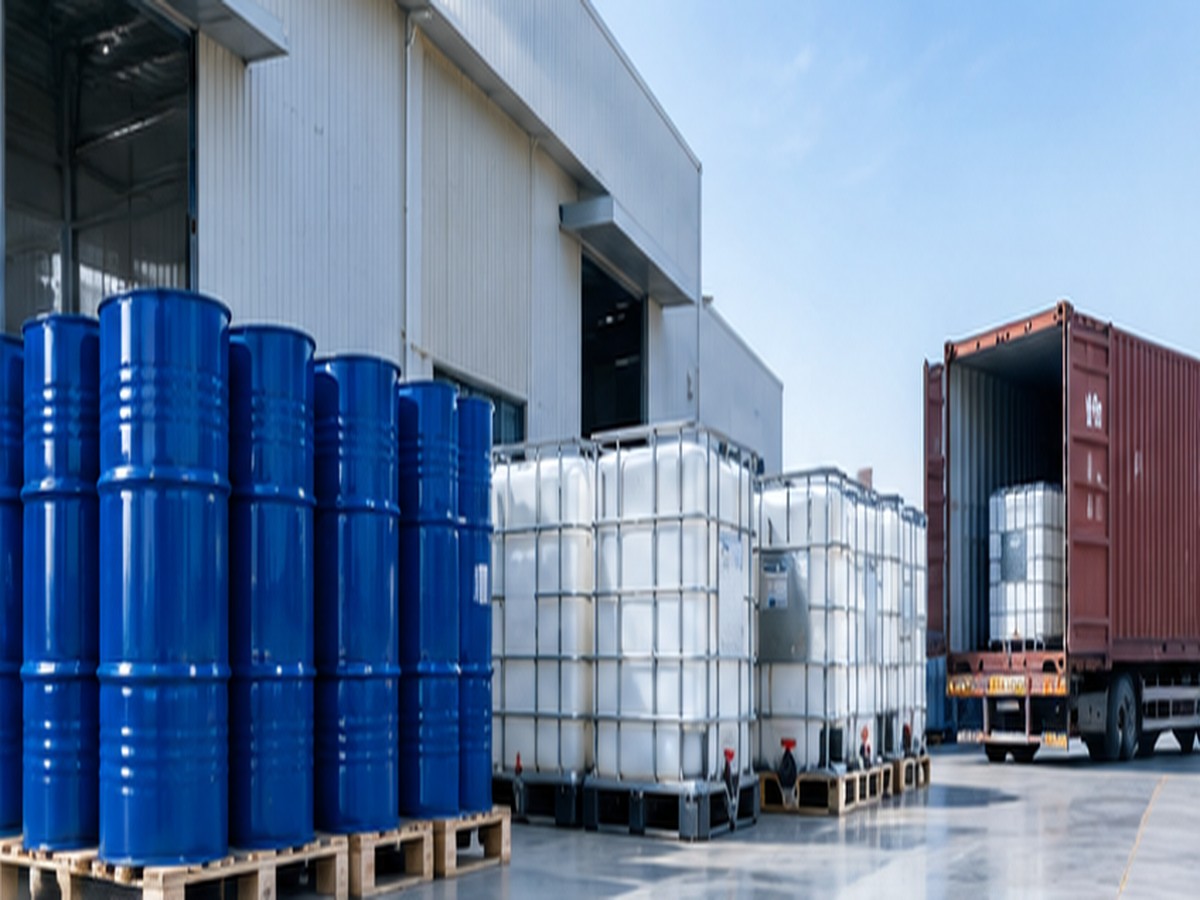
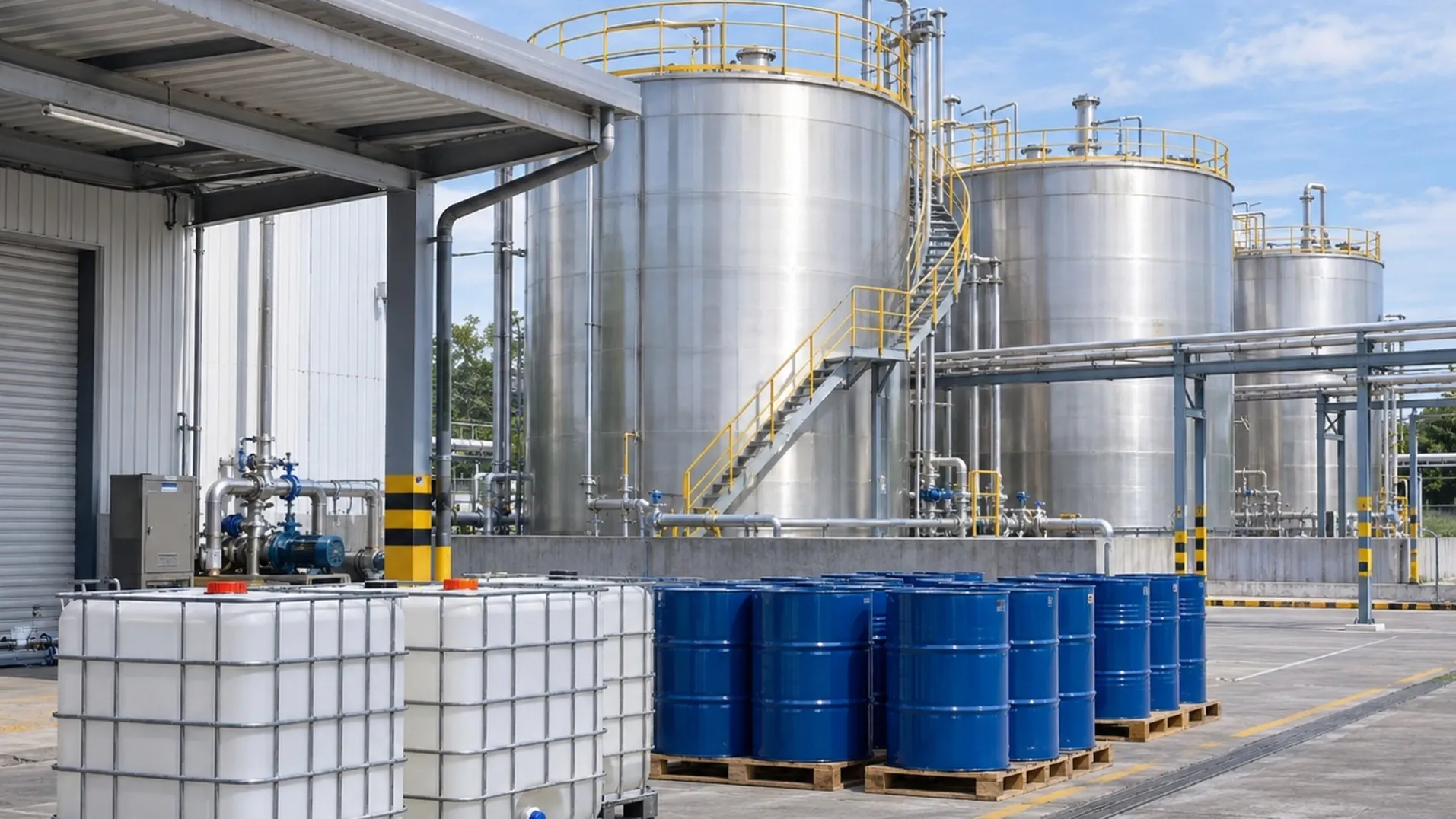
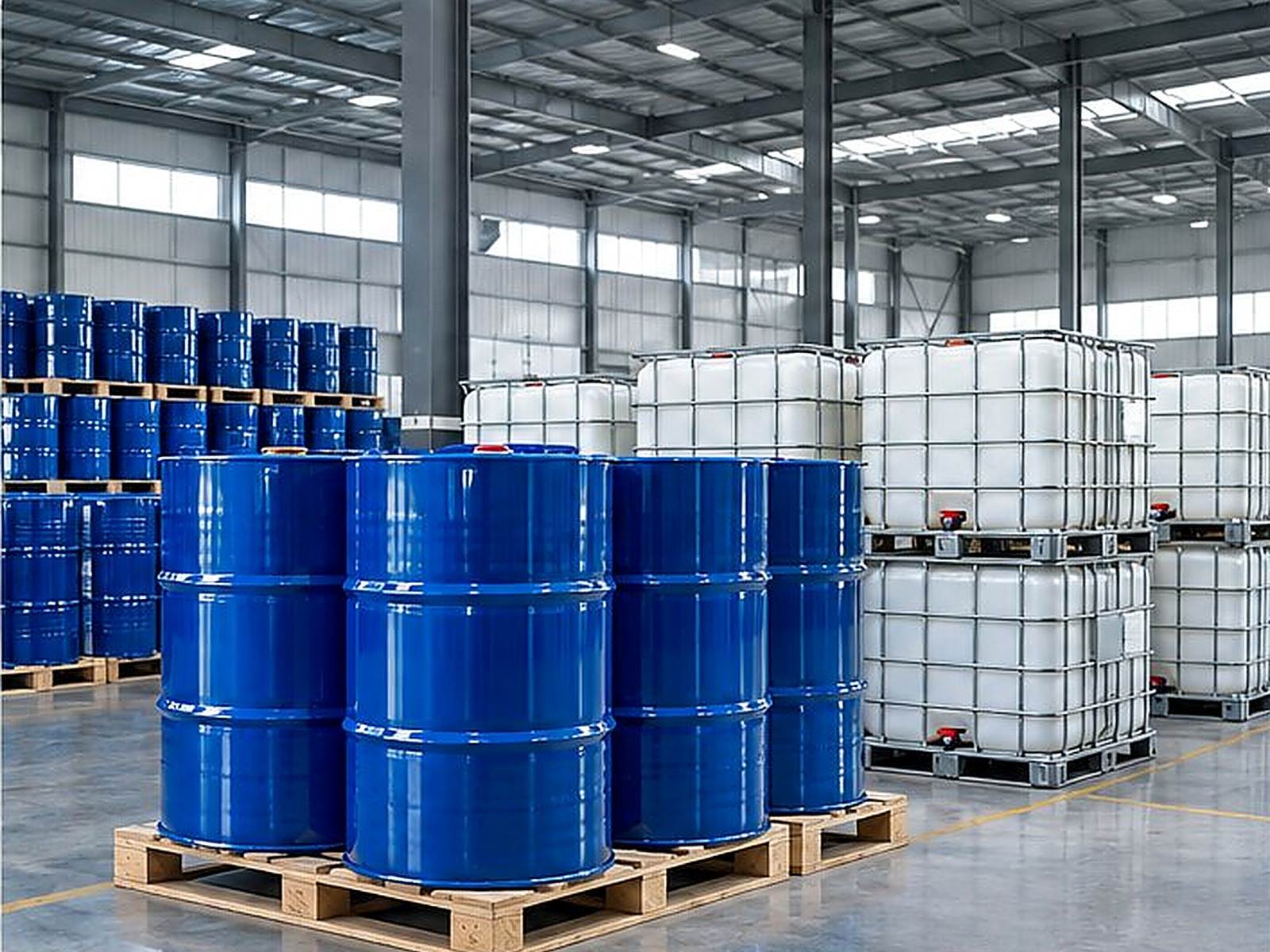
- Packaging is 230 kg drums, IBC totes or ISO tanks. Confirm the packaging, the quantity, the port and the Incoterms in the quotation — and start with a trial order if this is a new supplier.
- Verify the supplier before the first container. Business licence, per-batch COA, SGS or BV third-party inspection on request, and a trial order are the checks that separate a real exporter from a listing.
Table 1 — Ethylene glycol at a glance (Yuandafeng industrial grade)
| Property | Value |
|---|---|
| Product | Ethylene glycol (MEG) |
| CAS No. | 107-21-1 |
| Formula | C2H6O2 |
| EINECS No. | 203-473-3 |
| Purity | 99.8% |
| Boiling point | 197 °C |
| Melting point | −13 °C |
| Density at 20 °C | 1.11 g/cm³ |
| Flash point | 111 °C (closed cup) |
| Vapour pressure at 20 °C | 6.5 Pa |
| UN No. / Class | UN 3082, Class 9 |
| Packaging | 230 kg drum, IBC tote, ISO tank |
Sources: ICSC 0270 (May 2018); Yuandafeng product page /products/ethylene-glycol.
Table 2 — Pre-order checklist
| Check | What to confirm |
|---|---|
| Grade | Industrial 99.8% or polyester ≥99.9%? State it on the RFQ and PO |
| Assay and impurities | Batch COA: assay, water, DEG, iron, chloride, acidity, aldehydes, colour, UV transmittance |
| CAS and identity | 107-21-1 on the quotation, COA and drum label — all three must match |
| Packaging | 230 kg drum, IBC tote or ISO tank; confirm the exact pack and quantity |
| Transport | UN 3082, Class 9; DG declaration, SDS and labelling confirmed |
| Incoterms and port | FOB, CIF or other terms; loading port and destination port in writing |
| Documents | Per-batch COA, SDS, TDS; ask about certificate of origin and third-party inspection in advance |
| Supplier | Business licence, export history, per-batch COA within 24 hours at inquiry stage |
| First order | Trial order before committing to a full container |
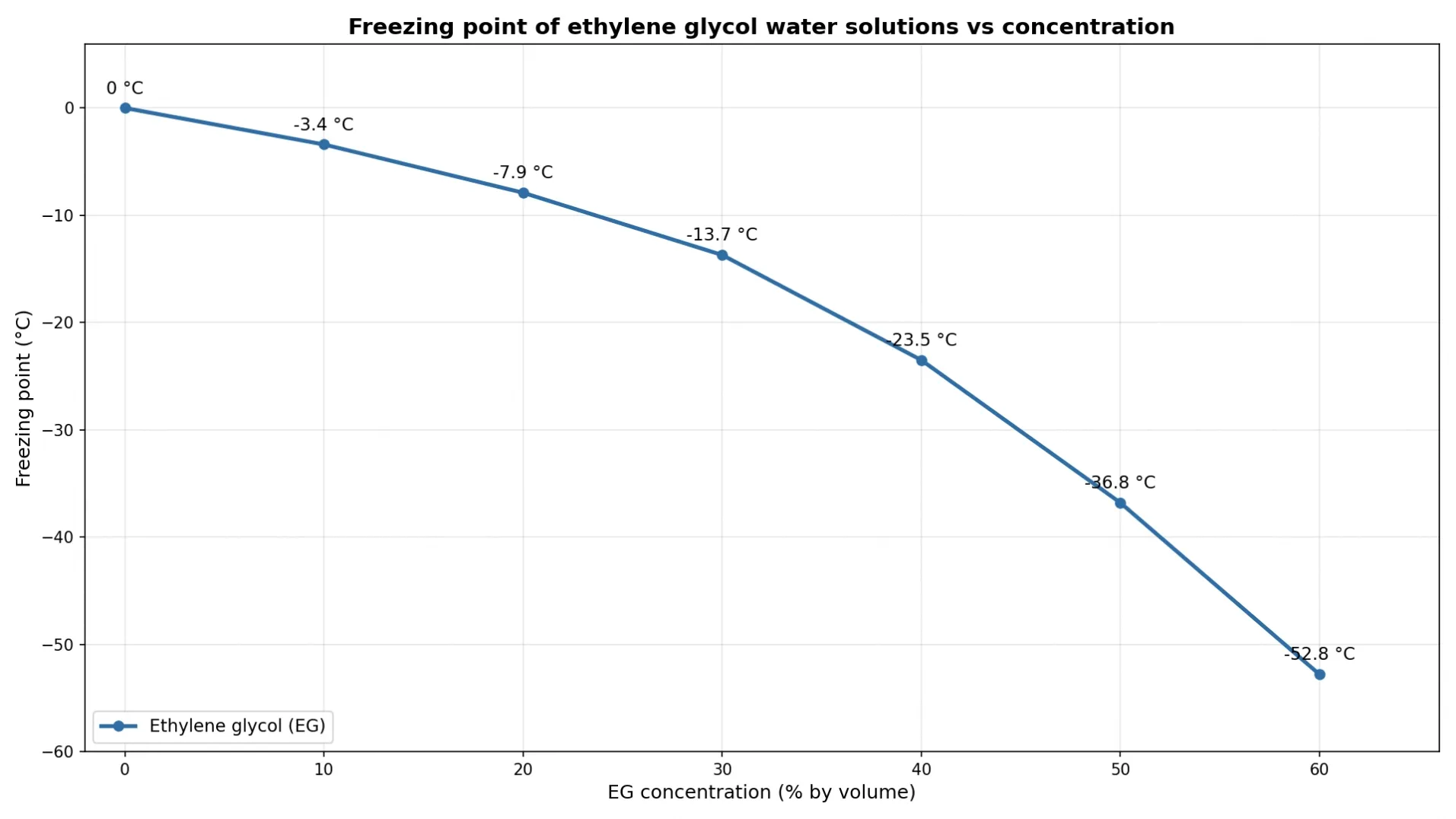
For coolant buyers: a 50% EG solution freezes at −36.8 °C and a 60% solution at −52.8 °C. Source: Engineering ToolBox, ethylene glycol heat-transfer fluid data.
Which grade do you need?
There are two buying decisions hidden in one product name. Industrial grade (GB/T 4649-2018 first grade, EG ≥99.0%) covers antifreeze and coolant formulations, heat-transfer fluids, unsaturated polyester resins, coatings, inks and general industrial use.
Polyester grade (superior grade, EG ≥99.9%, iron ≤0.10 mg/kg, UV transmittance at 220 nm ≥75%) is the specification for PET and polyester fibre production. Yuandafeng's EG is 99.8% — above the industrial minimum and below the polyester minimum.
If your process is PET, do not order 99.8% and hope: state polyester grade in the RFQ and confirm it before ordering. If your process is coolant or resin, 99.8% is the right grade and 99.9% is money spent on purity the process cannot use.
The full grade comparison is in our companion article on EG purity grades.
What should the COA show?
A certificate of analysis is the only document that ties the drum in your warehouse to the specification you agreed. Ask for it by batch, before shipment, and check every line: assay by GC (99.8% for Yuandafeng EG); water by Karl Fischer (typically ≤0.05–0.08%); DEG content by GC (typically ≤0.05–0.10%); iron by ICP-MS (≤0.1 mg/kg for the tighter grades); chloride (≤0.5–1 ppm); acidity as acetic acid (≤10 mg/kg); aldehydes as formaldehyde (≤8–30 mg/kg); colour (≤5–10 Pt-Co/APHA); ash (≤10–50 mg/kg); and UV transmittance at 220 nm (≥70–75%) if the grade requires it.
Also check the batch number, the test date and the test methods. If a supplier cannot produce a full COA within 24 hours at the inquiry stage, expect delays during the real order — and treat a COA that lists only the assay as no COA at all. For a first order, a third-party test by SGS or BV on a sample taken at loading is the independent check.
How is EG shipped?
Ethylene glycol is not a flammable liquid in transport law: its flash point is 111 °C, and it ships as UN 3082, Class 9 (environmentally hazardous substance, liquid, n.o.s.), not Class 3. That changes the paperwork — a dangerous-goods declaration, an SDS, UN-approved packaging and the correct labelling are required, and the booking must state Class 9.
Packaging is 230 kg drums, IBC totes or ISO tanks; drums suit trial and smaller orders, IBCs and ISO tanks suit bulk. Confirm the packaging, the quantity, the loading port and the Incoterms (FOB, CIF or as agreed) in the quotation, in writing.
Storage at your end: a cool, dry, ventilated area away from strong oxidants, strong acids and strong bases, containers tightly closed — EG is hygroscopic and will pick up water from the air if left open.
How do I verify the supplier?
Four checks, none of which cost much. First, the business licence: ask for a copy and check that the company is a licensed hazardous-chemical exporter — Yuandafeng is a trading company and licensed hazchem exporter, not a manufacturer, and says so plainly.
Second, documents at inquiry stage: a real exporter produces a per-batch COA, SDS and TDS without hesitation, usually within 24 hours. Third, third-party inspection: ask whether SGS or BV can inspect and sample at loading, and whether the inspection report goes directly to you. Fourth, start small: a trial order before a full container is the cheapest possible audit, and a supplier that refuses trial orders or independent sampling is telling you something.
Red flags: no COA, a COA with no batch number, a price far below every other quote with no explanation, or pressure to pay in full before any document is produced.
What Yuandafeng supplies
Yuandafeng Chemical supplies industrial-grade ethylene glycol 99.8% (CAS 107-21-1) in 230 kg drums, IBC totes and ISO tanks, with a per-batch COA, SDS and TDS available on request, and SGS/BV third-party inspection available. EG ships as UN 3082, Class 9, in FCL or LCL, with trial orders supported.
Propylene glycol, diethylene glycol and triethylene glycol are also available from Yuandafeng; product pages are being added, so contact us for specifications in the meantime. For a quotation, send your grade, quantity, packaging, destination port and Incoterms — the minimum quantity, lead time and price depend on those, so they are confirmed in the quotation rather than listed here.
View Ethylene Glycol product specifications | Contact Us
FAQ
What is the minimum order quantity?
It depends on the packaging, quantity and port, so it is confirmed in the quotation. Trial orders are supported — start with one if this is your first order with us.
How long does delivery take?
Lead time depends on quantity, packaging and the vessel schedule for your port, so it is confirmed when you request a quote. Ask for the loading date in writing before paying the deposit.
Can I get a sample before ordering?
Trial orders are supported. Ask about samples when you send your inquiry, with your grade, quantity and destination port, and we will confirm what is possible.
What documents come with the shipment?
A per-batch COA, SDS and TDS. Ask in advance about any other document you need, such as a certificate of origin or a third-party inspection report, so it is arranged before loading.
Is ethylene glycol flammable?
Its flash point is 111 °C (closed cup), so it is not classified as a flammable liquid for transport — it ships as UN 3082, Class 9. It will still burn at high temperature, so store it cool and ventilated, away from heat and oxidants.
Methodology
Product data are from ICSC 0270 (ethylene glycol, May 2018) and the Yuandafeng product page for ethylene glycol. Grade limits are from GB/T 4649-2018 (industrial ≥99.0%, polyester ≥99.9%) as cited in supplier COA data. Freeze-point values are from Engineering ToolBox's ethylene glycol heat-transfer fluid tables (% by volume, 1 atm). Supplier-verification practice follows published sourcing guides for chemicals from China (XinsenYao 2026 buyer's guide; Topfine; Jumingchem supplier-audit guides), which recommend checking the business licence, requesting COA/MSDS within 24 hours, and commissioning SGS/BV inspection before a large order. No MOQ, lead time or price is stated in this article because none is published for this product — all are confirmed in the quotation.
Limitations
This guide covers industrial-grade EG as sold by Yuandafeng. Polyester-grade requirements are summarised only — see the companion purity-grades article for the full GB/T 4649-2018 limits. Transport rules vary by carrier, route and destination; the carrier's dangerous-goods team confirms the final booking. Third-party inspection availability and cost depend on the loading port and the inspection body.
References
- ICSC 0270 — Ethylene Glycol (ILO/IPCS, May 2018): https://inchem.org/documents/icsc/icsc/eics0270.htm
- Alliance Chemical — Ethylene Glycol ACS Grade SDS: https://docs.alliancechemical.com/sds/ethylene-glycol-acs-grade
- Engineering ToolBox — Ethylene Glycol Heat-Transfer Fluid: https://www.engineeringtoolbox.com/ethylene-glycol-d_146.html
- XinsenYao — How to Source Industrial Chemicals from China: A Complete Buyer's Guide (2026): https://www.xinsenyaochem.com/blog-2026-07-20-how-to-source-chemicals-from-china.html
- CausticSodaCo — Antifreeze Grade MEG Supplier (specification and COA items): http://causticsodaco.com/antifreeze-grade-monoethylene-glycol-meg/
- Coolant.com — Ethylene Glycol vs Propylene Glycol Coolant: Differences: https://Coolant.com/ethylene-vs-propylene-glycol/